The Institute for Public International Law at the University of Bonn looks back on a history spanning more than a century. The Institute has its origins in the ‘Staatsrechtlichen Gesellschaft’ (Constitutional Law Society), founded in 1905 by Professor Philipp Zorn and approved by ministerial decree on 4 January 1906, and the ‘Institut für Internationales Privatrecht’ (Institute of Private International Law), established in 1911 by Professor Ernst Zitelmann.
Following the transfer of the records of the 'Staatsrechtlichen Gesellschaft' to the general legal seminar, the Society was dissolved by ministerial decree on 12 July 1915. After Professor Erich Kaufmann was appointed on 1 October 1920, he and Professor Rudolf Smend established an independent 'Seminars für wissenschaftliche Politik' (Seminar on Political Science) under their joint leadership. In the post-war years, alongside his teaching duties, Professor Kaufmann served as legal adviser to the Foreign Office and as the Reich’s representative before the Permanent Court of International Justice in The Hague.
After Professor Smend accepted a post in Berlin in the spring of 1922, Professor Carl Schmitt succeeded him as co-director of the ‘Seminars für wissenschaftliche Politik’.

By ministerial decree of 25 February 1924, the 'Institut für Internationales Privatrecht' and the 'Seminar für Wissenschaftliche Politik' were merged, and on 29 July 1924, following some uncertainty regarding the appropriate name, the new institute was given the name 'Institut für Internationales Recht und Politik' (Institute of International Law and Politics). The libraries of the two older institutions were merged, reorganised and catalogued, for which the state granted a one-off sum of 300 marks. Furthermore, the 'Notgemeinschaft der deutschen Wissenschaft' (Emergency Association of German Science) donated valuable foreign books to the Institute and supplemented its collection of foreign journals. Until its closure in 1928, the new institute was jointly directed by Professors Erich Kaufmann and Carl Schmitt.
Professor Richard Thoma was appointed Director of the Institute with effect from 1 October 1928, a post he held through the turmoil of the war and beyond his retirement in 1945, until 1950.
Professor Thoma succeeded Professor Walter Schätzel, who acted as counsel and expert witness in several arbitration proceedings during the 1950s. Through his translations of the major works of Grotius, Vitoria and Vattel, Schätzel made the 'Classics of Public International Law' accessible to a wide readership. He became an associate member of the 'Institut de Droit International' (1950) and a member of the Board of Trustees of the Hague Academy of International Law (1958), as well as Vice-President of the 'Association européenne pour l'étude du Problème des réfugiés'.

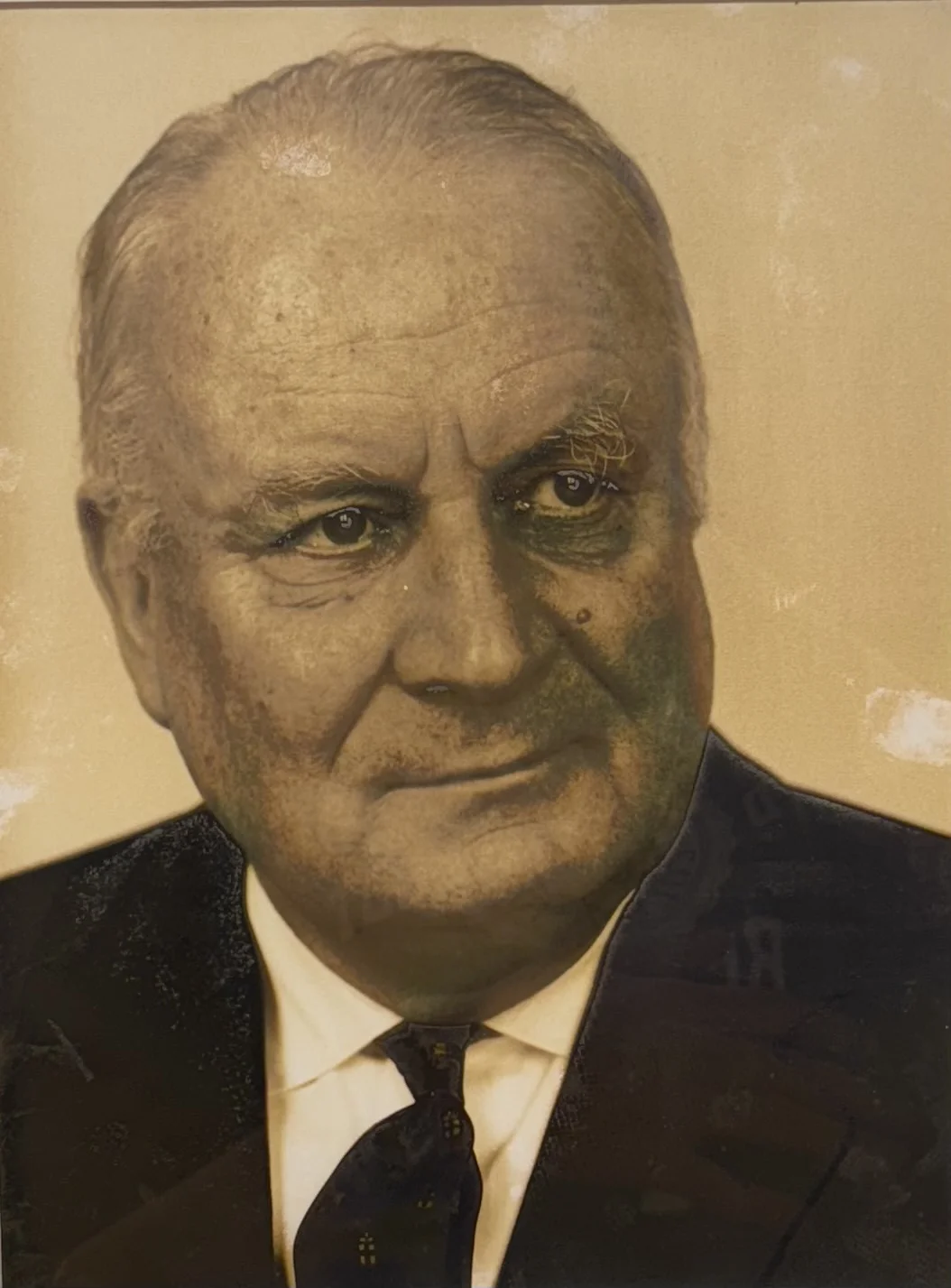
In 1958, Professor Ulrich Scheuner took over as Director of the Institute, a post he held until his retirement in 1972. During Scheuner’s directorship, the Institute was renamed the 'Institut für Völkerrecht' (Institute for Public International Law) by ministerial decree of 9 December 1959, with effect from 1 January 1960, a name it retains to this day. In the 1960s, Scheuner was one of the Federal Government’s most important advisers on public international law and served as an adviser on public international law to Chancellor Adenauer. His academic work focused, among other things, on the 'Collective Security of Peace'. Scheuner was a member of the advisory board for both the Dictionary of Public International Law and, later, the Encyclopedia of Public International Law.
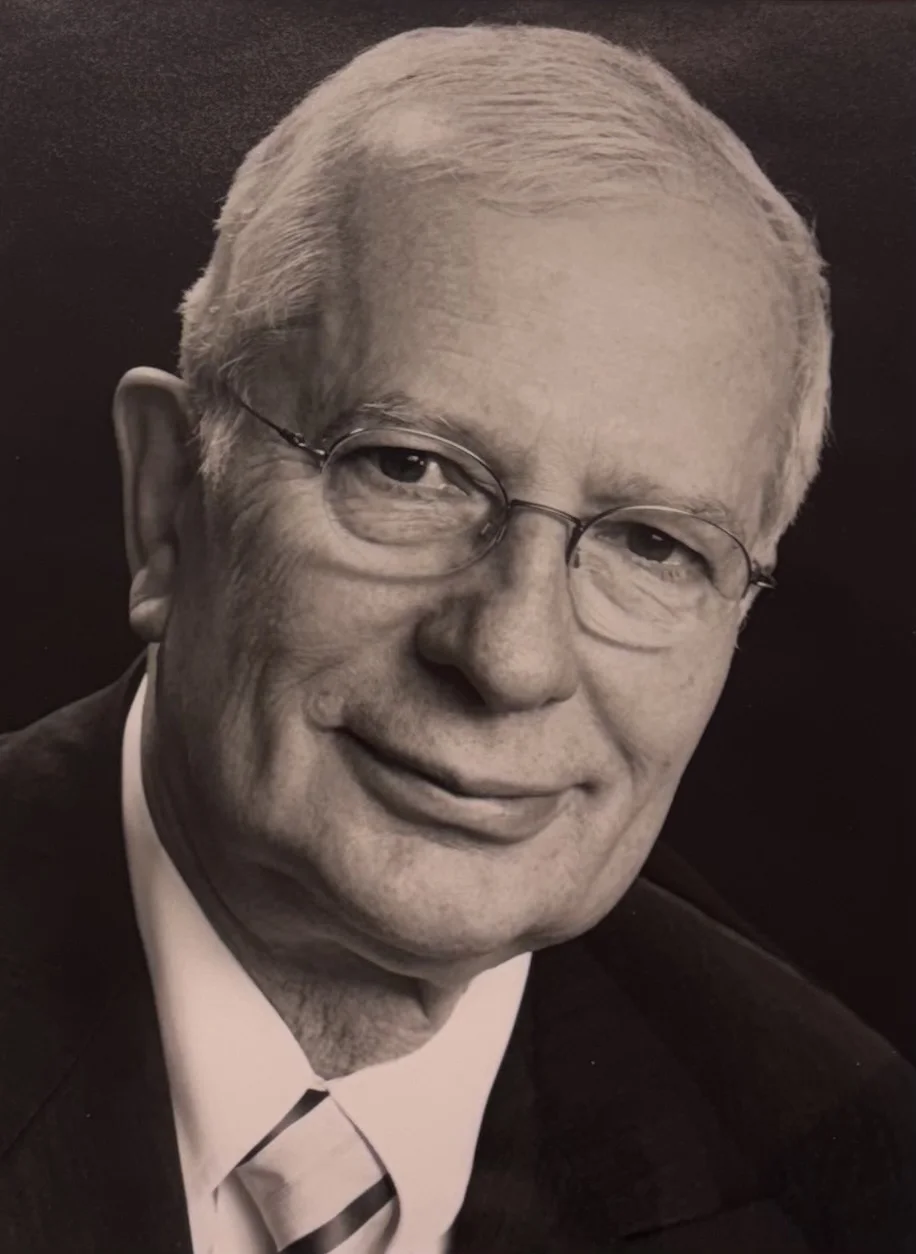
From 1972 to 1995 – a period spanning almost a quarter of a century – the Institute was headed by Professor Christian Tomuschat. In addition to his wide-ranging academic work, Professor Tomuschat served as an adviser on international law to the Federal Government. During his time in Bonn, he was, among other things, a member of the German delegation to the United Nations General Assembly on several occasions, as well as a member of the Human Rights Committee under the International Covenant on Civil and Political Rights and the United Nations International Law Commission, which he chaired from 1992 to 1993.
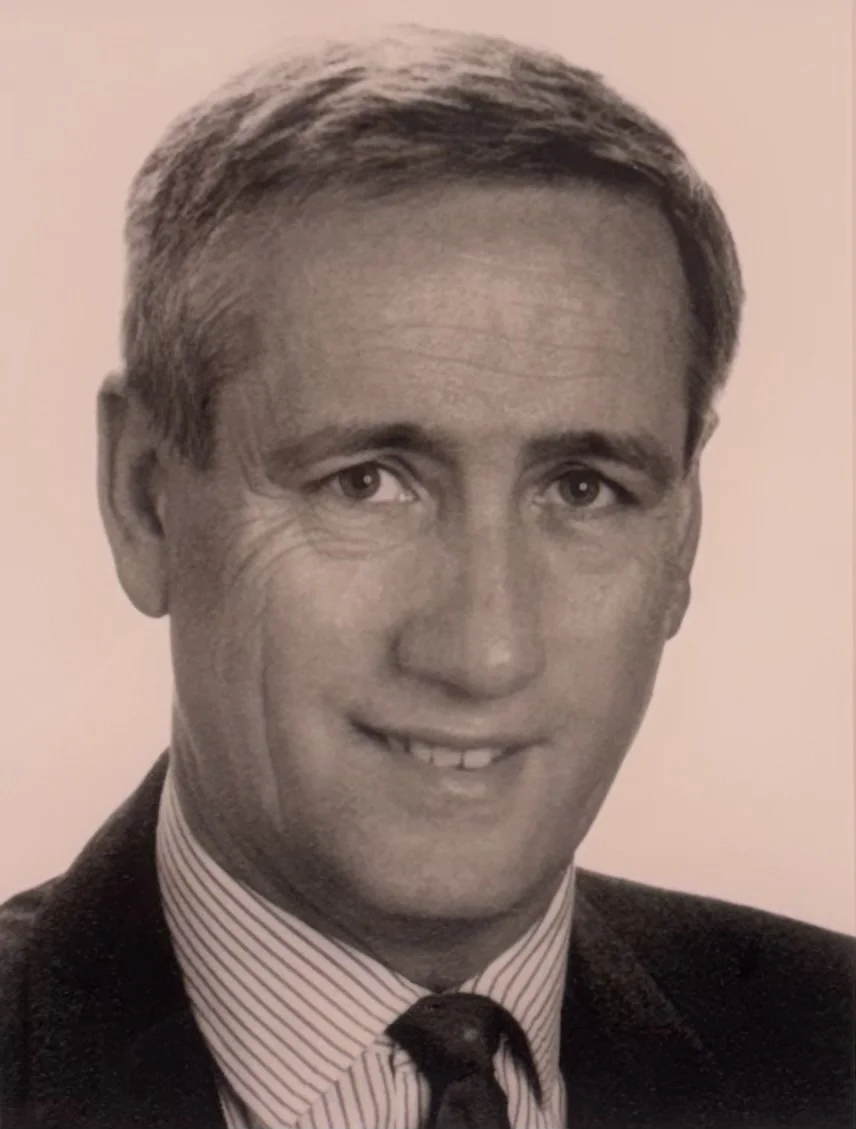
In 1996, Professor Rudolf Dolzer took over as Director of the Institute, a position he held until his retirement in 2009. Professor Dolzer also advised the Federal Government on matters of international law and acted as a legal representative and expert witness before the International Court of Justice in The Hague and before numerous arbitration tribunals, particularly in the field of investment protection.
Professor Matthias Herdegen has served as the Institute’s Executive Director since 2009. Since his appointment to the University of Bonn on 1 October 2011, Professor Stefan Talmon has served as the Institute’s Co-Director.